Ornamental versions of fruit trees often disappoint me. Most of them are grown for the beauty of their blossoms, but these last only a few weeks per year, at most. The rest of the year, these trees occupy prime real estate in the landscapes of parks and streets and peoples’ yards. Am I the only one who thinks that a real fruit tree would be a better choice in those spaces? I want edible cherries and pears, not ornamentals!
But then there are the purple leaf plum trees, which I like. Some people call them red leaf plum trees. Others call them purple or red leaf cherry trees, since the few fruits they produce are closer in size to a cherry. They’ve also been called cherry plums. And, of course, they have been called flowering or ornamental plums.
Any of those monikers might be accurate. Plenty of purple fruits and vegetables are called red (such as “red” cabbage, which is clearly purple). As for the plum versus cherry distinction, a lot of wild and native plums are more like cherries and often called cherries. Stone fruit trees (cherries, plums, peaches, and nectarines) are closely related. Some have been cross pollinated to create hybrid fruits like plumcots and pluots and even pluerries (plum + cherry), as I have written about previously.
So I don’t really care what people call these purple leaf plum trees.

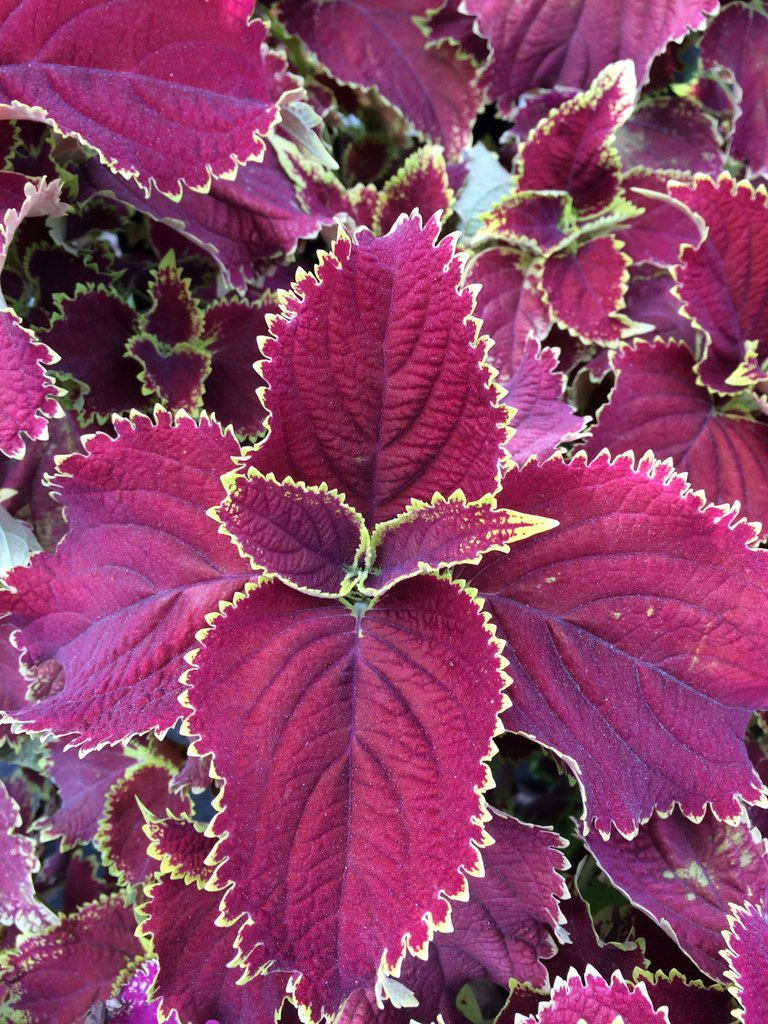
Purple leaf plum trees are beautiful nearly all year long. In springtime, they bloom with sweet smelling pink blossoms much like those of a cherry tree. Within weeks (or even days if spring weather is warm), the flowers are followed by the leaves. New leaves can be slightly green at first, but they purple up quickly. For the rest of the growing season, the trees are covered in these dark purple leaves. Their striking color offsets any greens from grass or bushes or other plants.
And while these trees are grown for their looks, some of them fruit as well. Most of the time, it’s not a particularly tasty fruit. It looks like a big cherry and the tree produces them relatively early in the year, like a cherry would. But technically, they’re plums.
Not all of these trees fruit. If you see a street with a line of them and visit them around fruiting season, you’ll find fruits on only some of them, usually less than half. If you pick some of those fruits and bite into one, even when it’s as ripe as it can be, it will be sour enough to pucker your mouth. But they make good jam (with liberal additions of sugar and perhaps some other fruit that is available at that time of year, such as some berries or an aromatic lemon).

The secret is that there are some odd trees that produce quite edible fruit. It’s tastier and maybe even sweeter. Trees mutate or spawn sports, especially when they grow up from seed rather than being grafted. So the oddball tasty plum tree is more likely to be an outcast in someone’s yard or on a hill some distance from the main line of purple leaf plum trees. In years of searching, I’ve found a few great ones. If you are lucky enough to find one that tastes better than the others, remember where it lives. In a good year, if spring starts early, a few of these trees will produce a later crop as well (one of the benefits of a long bloom period).
Even birds, squirrels, and other wildlife may give it a pass just because they think it’s the same sour fruit they can get from the other trees. The red-purple fruit are a similar color to the leaves also, which may help protect them. Some nurseries even sell varieties of purple leaf plum trees that are both ornamental and produce good fruit. Yes, these trees with pleasant fruit do exist. Its fun to search for them and fun to admire the beautiful pink blossoms and dark purple foliage almost year round, then finding some edible fruit in there that’s almost completely hidden from sight amongst those purple leaves.
The only time these purple leaf plum trees take a break from looking great is in winter when they go dormant, as all stone fruit trees do. For a short few months, they are barren. And that’s the time when I look forward to spring and the dawning of a new season of purple.

Image credits: Top: Creative Commons via Wikipedia by Yuki Nekonomania. Leafy tree: Monrovia.com nursery. Flowers: public domain. Bottom image: California State University, San Luis Obispo.